
Waynesboro Dumpster Safety Guide & Standards
Burke County Roll-Offs sets the standard for dumpster safety in Waynesboro, GA. Our comprehensive guide covers proper placement, weight limits, and hazardous material restrictions tailored to local conditions like Waynesboro's residential areas and commercial zones. We maintain full OSHA compliance while protecting your property during every rental period. Trust our locally-developed protocols for safe dumpster use in Burke County.
Dumpster Safety: Protecting Your Property and Crew
At Burke County Roll-Offs, we've learned safety isn't just a checklist — it's a commitment built through years of protecting client properties. When we deploy a 30-yard container, our crew carefully evaluates ground conditions, potential hazards, and optimal placement strategies. We're not just dropping a dumpster; we're creating a secure workspace that minimizes risks for everyone involved. From rural construction sites to urban renovation projects, our approach remains consistent: assess first, execute precisely.
Site Readiness Checklist
-
Inspect drop zone for overhead power lines and obstacles
-
Clear a minimum 14-foot wide access path for delivery truck
-
Mark underground utility lines before placement
-
Ensure stable, level ground for dumpster positioning
-
Keep a 3-foot perimeter clear around container edges

OSHA Compliance
Follows OSHA regulations for safe dumpster handling and placement.
Proper Loading
Ensures dumpsters are loaded evenly to prevent tipping hazards.
Site Safety
Maintains clear access around dumpsters to avoid accidents in Waynesboro.
Dumpster Safety Guide & Standards for Waynesboro, GA
- 100%
- Safety Focus
- 3-Stage
- Inspection Process
- 24-Hour
- Placement Review
Dumpster Safety Isn't Just Rules—It's Our Daily Routine
After 12 years navigating Burke County's backroads and construction sites, we treat every dumpster placement like it's in our own backyard. Whether it's avoiding overhead lines at Plant Vogtle or preventing driveway damage in residential areas, our NWRA-certified crew follows three non-negotiables: visible hazard markings, stable positioning, and constant weight checks. It's why we maintain a perfect safety record despite handling everything from prohibited items to storm debris.
Here when you need it, gone when you don't—safely every time.
-
Proper Placement
We always position dumpsters on stable, level ground away from overhead hazards like power lines or tree limbs. Our drivers use stabilizer pads on soft surfaces like lawns.
Real World ExampleLast summer, we avoided a disaster by spotting a leaning pine tree before dropping a 20-yard dumpster at a Waynesboro jobsite.
-
Load Distribution
Heavy materials go in first, spread evenly across the floor. We'll show you how to stack bulky items sideways to prevent dangerous shifting during transport.
Real World ExampleWhen handling concrete disposal, we layer broken slabs flat instead of dumping them in a pile.
-
Access Control
Every rental includes safety cones and caution tape. We recommend fencing off the area if kids or pets are nearby—especially with our walk-in loading door models.
Real World ExampleAt a Burke County school renovation, we used barrier fencing after hours to prevent after-hours dumping.
-
Weight Monitoring
Our crew checks load levels daily when servicing long-term rentals. Overfilled units get tagged immediately—we've seen too many blown tires from overloaded axles.
Real World ExampleCaught an overloaded 30-yard dumpster just before a customer tried adding more roofing shingles.
Safe Dumpster Practices for Burke County Projects
Protect workers and property with proper dumpster placement and handling techniques
Dumpster Safety Guide & Standards
When we drop off a dumpster in Waynesboro, GA, safety is our top priority from the start. I remember a site near Plant Vogtle where narrow rural roads made maneuvering tricky for haulers unfamiliar with the area — that experience shaped how we approach every delivery and pickup. We check the ground for stability before placement and ensure clear access for our trucks to avoid accidents. Our crew inspects dumpsters for sharp edges or damage that could cause injury. We also educate customers on load limits and the importance of keeping hazardous materials out to comply with safety standards and local regulations. Following these steps keeps the job site safe and the work flowing smoothly.
| Safety Aspect | Best Practice |
|---|---|
| Placement | Level, firm ground clear of obstructions |
| Access | Minimum 12 ft wide path for trucks |
| Load Limits | Do not exceed dumpster height or weight capacity |
| Prohibited Materials | Refer to prohibited items list |
| Personal Safety | Wear gloves, boots, and eye protection when handling debris |
Safety Checklist
-
Place dumpsters on stable, level ground to prevent tipping.
-
Maintain clear access paths for delivery and pickup trucks.
-
Avoid overfilling to prevent falling debris and weight overages.
-
Keep hazardous materials out; see our prohibited items list.
-
Use proper personal protective equipment during loading and unloading.
-
Secure dumpster lids when not in use to prevent accidental falls or wildlife entry.
Dumpster Safety Standards We Follow on Every Drop
I’ve worked roll-offs on rough Burke County routes long enough to know safety starts before the bin ever hits the ground. We keep the placement solid, the load legal, and the pickup path open so the job stays safe from start to finish.
Set the box where trucks can reach it cleanly
I’ve watched a clean job turn messy fast when a dumpster sat too tight to a fence, tree, or soft shoulder. We place the box on firm, level ground with clear overhead room because our roll-off truck needs straight access for safe drop-off and pickup.
Keep the load level with the top rail
Overfilled dumpsters shift badly on rural roads, especially when washboard lanes and sharp turns shake the load. We tell folks to keep debris even with the top rail and break down bulky items, because loose boards, sheet metal, and trash can bounce out during transport.

Site Safety First
Protecting your property and crew.
Sort out banned materials before the first toss
We’ve had jobs slow down because someone mixed paint cans, batteries, tires, or other restricted waste into the pile. Our crew checks the prohibited items list, reviews dumpster guides, and keeps the load in line with overage guidance and local rules.
Protect the driveway and keep the area clear
The morning of a delivery, we sweep the landing spot, watch for low branches, and lay protection where the surface needs it. That matters on concrete, asphalt, and gravel alike. Our crew also keeps kids, pets, and work traffic back while we set the box.
Need Expert Advice?
Speak directly with our safety officers.
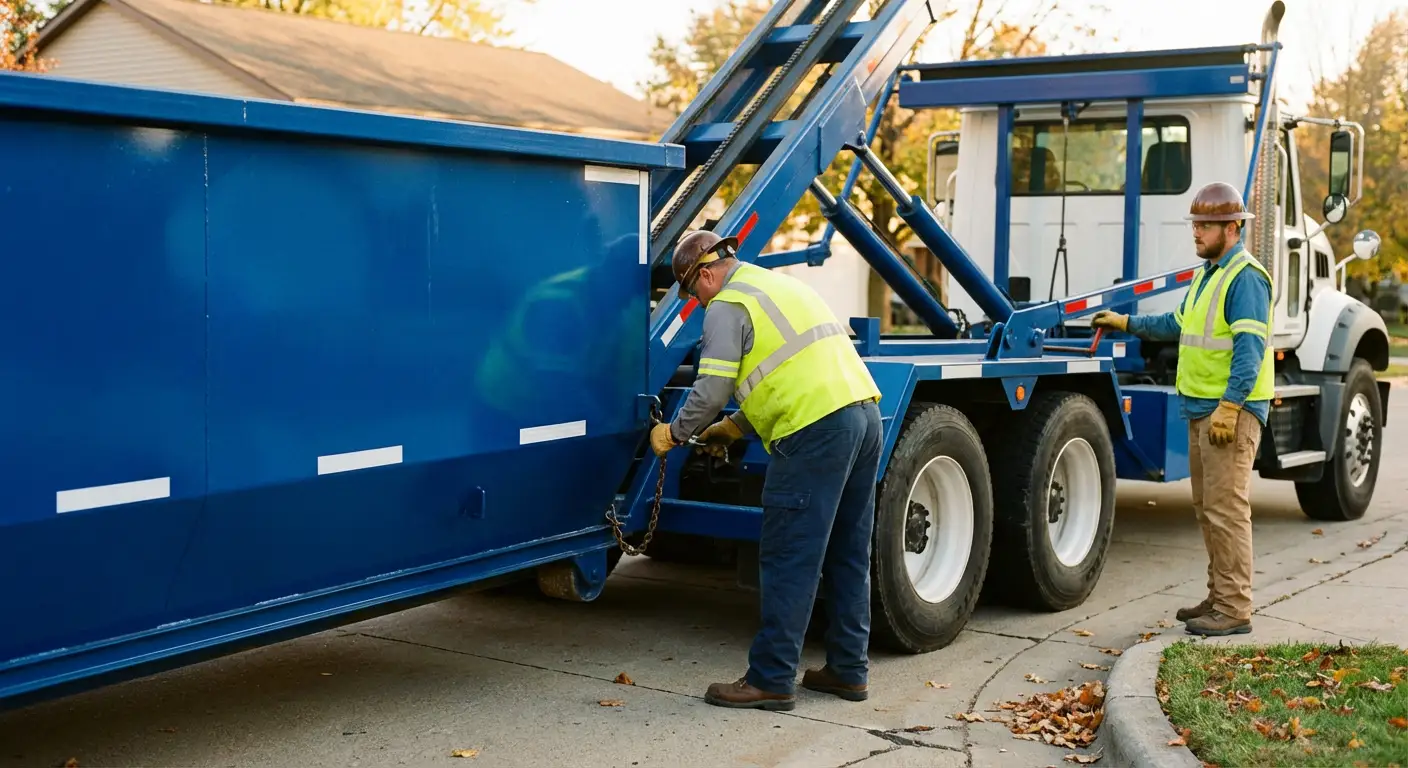
Dumpster Safety Guidelines in Waynesboro
Follow OSHA standards for dumpster placement and loading in Waynesboro. Proper use prevents injuries and EPA violations. Contact Burke County Roll-Offs for details.
OSHA-compliant dumpster practices protect workers and property.